
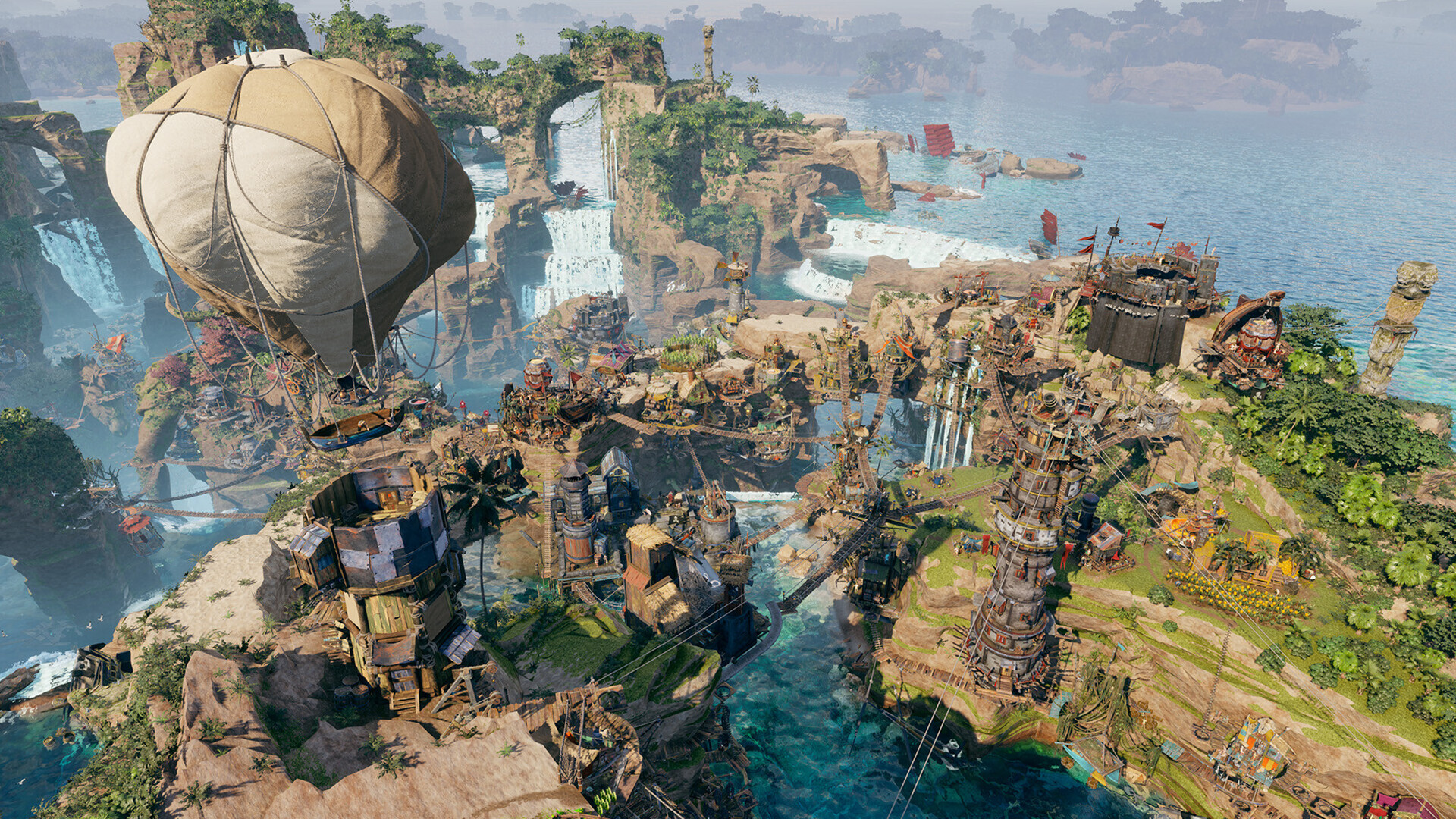
The opening state is defined by ship wreckage and surviving crew. From there, the first useful plan is not a hidden build order; it is a four-part checklist built from the systems the official store descriptions confirm. Assign the crew that can work in the settlement, make sure buildings can connect across cliffs, trace raw materials through processing and distribution, then review the ship, captain, crew, and tactical inputs required for a voyage.
This walkthrough does not attach unverified costs, timers, ratios, or unlock levels to those tasks. It explains what each checkpoint is meant to prove and links to the reference page that contains the confirmed names. That keeps the guide actionable while leaving exact numerical optimization to verified in-game observations rather than invented filler.
- Start
- Ship wreckage and surviving crew
- Pathing
- Buildings connect across cliffs
- Economy
- Raw materials to finished goods and hubs
- Voyage
- Ship, captain, crew, and tactics
Secure the first haven
Begin by separating unassigned crew from settlement roles. Drifters await assignment, while fetchers, builders, and workers operate the settlement. That distinction is the first reliable organizational tool because it tells you whether a person belongs in the pool waiting for a job or in the group that keeps the haven functioning. The Crew & Captains ledger lists each confirmed role without adding attributes that are not present in the supplied evidence.
Next, identify the named building examples rather than trying to reconstruct a complete technology tree from promotional material. Official store text names living quarters, taverns, piers, cannon foundries, defensive fortifications, and the Entertainers’ Guildhall. Those examples cover settlement services, maritime access, production, and defense in broad terms. The Buildings page groups them for scanning but does not claim a fixed construction sequence or unlock price.
Your first checkpoint is therefore simple: the crew categories are understandable, the named building types have a place in the settlement plan, and the next construction decision can be evaluated by what it connects or supports. Expansion without that checkpoint can make later production or movement problems harder to diagnose because the visible symptom may appear far from the missing connection.
- Identify drifters waiting for assignment
- Confirm settlement workers are assigned to settlement tasks
- Use the named building catalog as a reference, not an invented build order
- Keep the next vertical connection visible before spreading outward
Connect vertical paths
Corsair Cove explicitly makes height part of the settlement problem: buildings must connect across cliffs. Bridges and ziplines help move goods across that height, so pathing is not just visual decoration. A route can affect whether materials reach processing and whether finished products continue toward distribution hubs. The useful question is not merely whether two areas look adjacent, but whether the network actually joins the parts of the economic chain that depend on each other.
Read the terrain and the logistics together. When a production area appears short of inputs, trace the route back toward the relevant resource rather than assuming the production building itself is the cause. When finished products do not appear where they are needed, continue the trace toward distribution. This method stays within confirmed mechanics: it uses connectivity, bridges, ziplines, production flow, and distribution hubs without inventing throughput values or pathfinding rules.
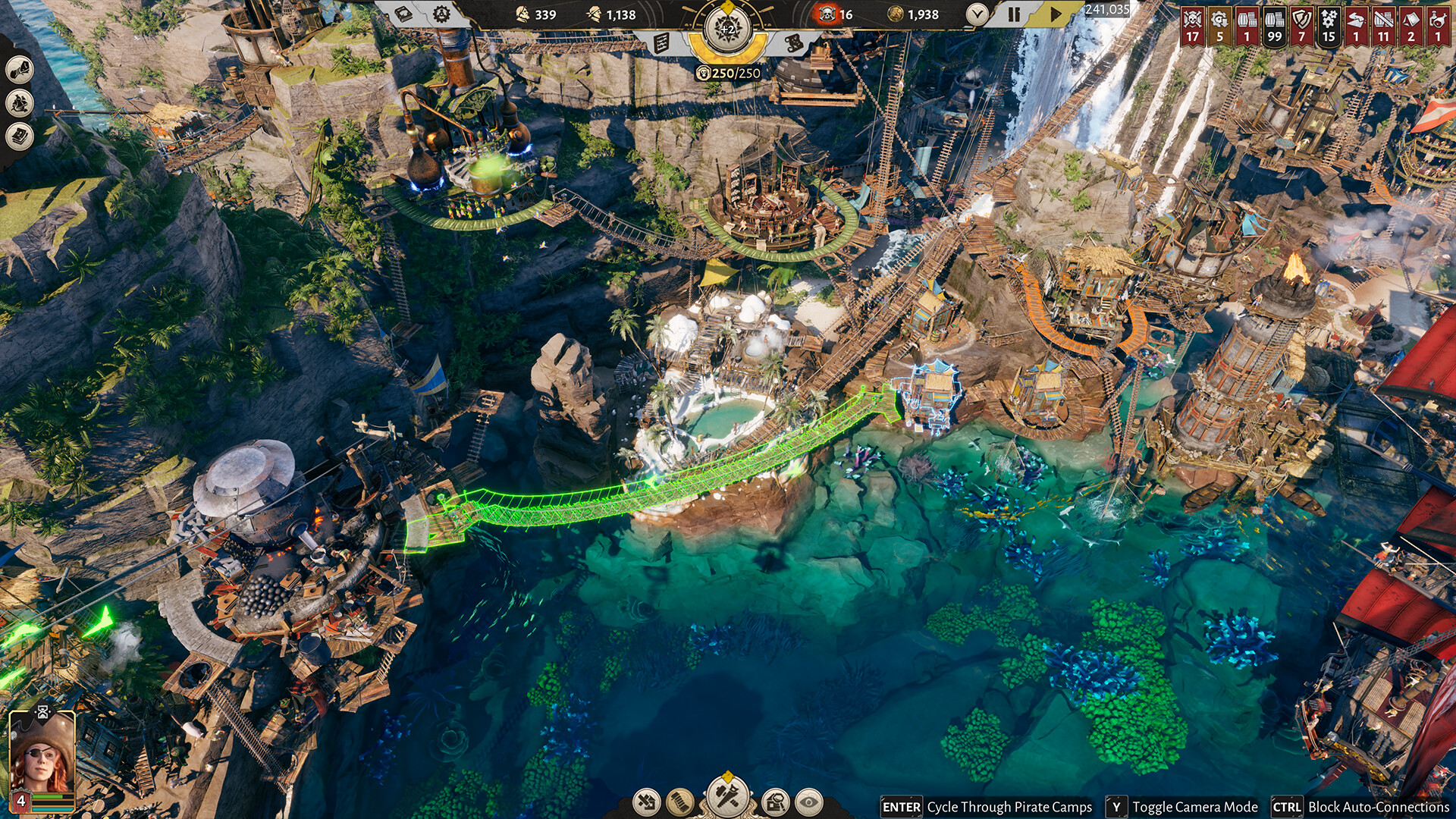
The screenshot below shows a highlighted bridge placement preview among cliffside walkways and ladders. It is used as visual evidence for the vertical connection problem, not as a claim that the exact pictured arrangement is optimal. Preserve more than one route-reading angle: look at the physical bridge or zipline, then check the linked resource, production, and distribution references before changing unrelated parts of the haven.
Stabilize production
The confirmed production model has four readable stages. Raw materials enter the economy, processing turns materials into finished goods, bridges and ziplines help goods cross height, and distribution hubs receive finished products. More than fifty types of goods are manufactured and distributed, but the supplied evidence does not provide a complete recipe matrix. Treat the stage model as a diagnostic map rather than a numerical spreadsheet.
Start with the resource names that are explicitly confirmed: iron, copper, lumber, fiber, grain, coin, whale blubber, silver, and wine. The list is broad enough to show that the economy includes materials, currency, and consumable goods, yet it does not prove a specific recipe relationship among them. Use the Resources page to verify names and the Buildings page to verify named structures, then return to Production Chains to keep the movement between stages visible.
A stable checkpoint is reached when you can answer three questions without guessing: what material or good you are following, which processing or settlement area is relevant, and whether the route continues toward a distribution hub. If one answer is missing, investigate that link first. This approach avoids a common error in vertical settlements—changing several distant systems at once and losing track of which connection actually restored the flow.
| Stage | Player question | Reference |
|---|---|---|
| Inputs | Which confirmed resource or good is involved? | /resources/ |
| Processing | Which named production or service building is relevant? | /buildings/ |
| Movement | Do bridges or ziplines connect the route across height? | /production-chains/ |
| Distribution | Can finished products reach distribution hubs? | /production-chains/ |
Prepare the first voyage
Voyage preparation is a handoff from the haven to the fleet. Ships take captains and crew. Bombardiers, navigators, marauders, and renegades are confirmed ship specialists, while veteran corsairs are elite sailors. Keep those role groups separate from fetchers, builders, and workers, which the official description places in settlement operation. The distinction prevents a settlement-role list from being mistaken for a naval roster.
Naval combat is turn-based, and official material states that the ship, crew, captain, and tactical choices determine combat outcomes. Review all four categories before treating the fleet as ready. The current evidence does not support a universal best captain, a ship tier list, or numerical tactical rankings, so the Ships page presents a preparation framework instead of manufactured recommendations.
The final checkpoint is not a promise of victory. It is a complete decision set: a ship has been chosen, a captain and crew are assigned, specialist roles are understood, and tactical choices will be made within turn-based combat. Once those inputs are visible, continue to Ships & Naval Expeditions for the fleet reference or Progression for the four confirmed growth dimensions—Notoriety, Empire, Seafaring, and Wealth.
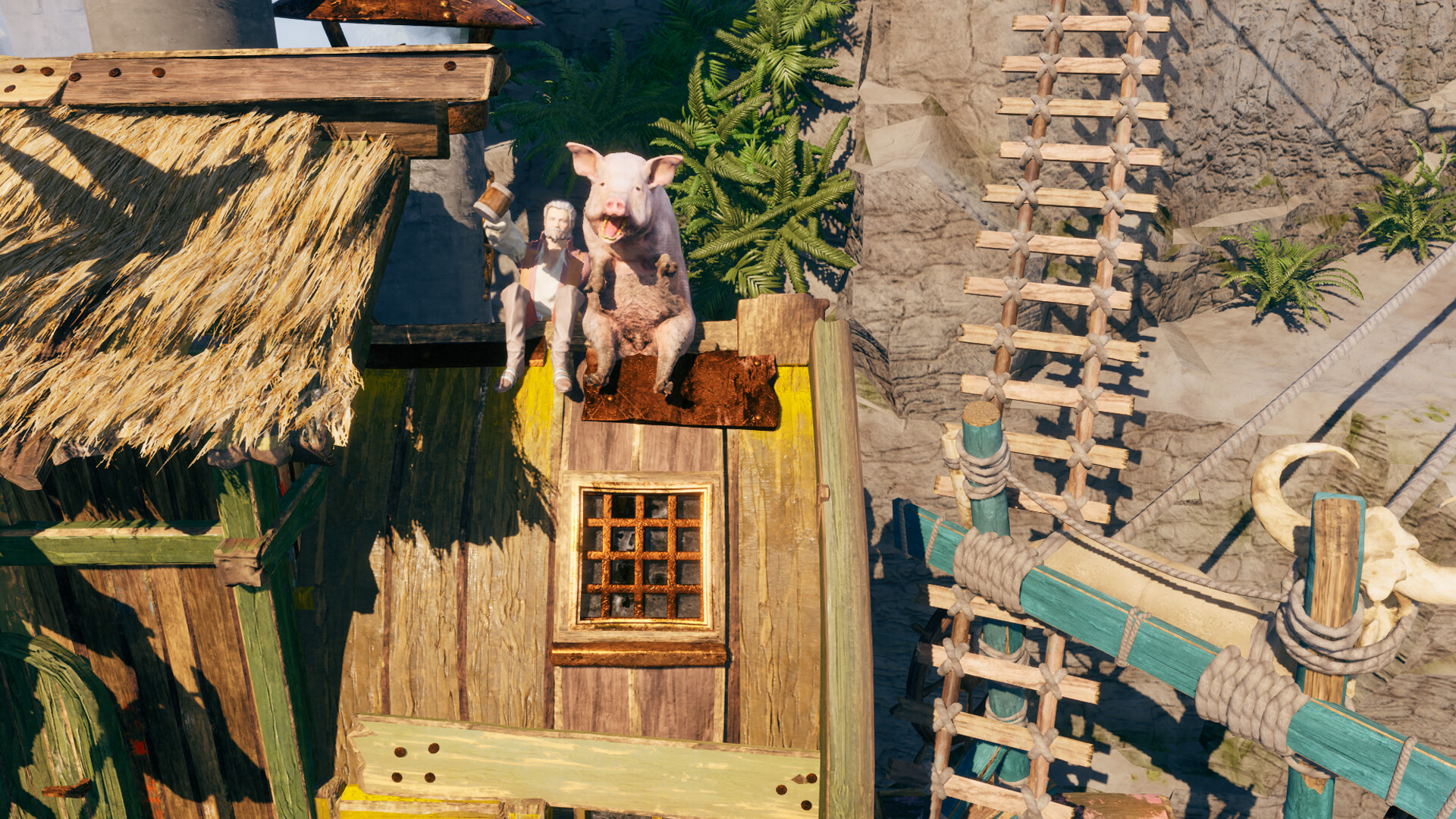
Corsair Cove launch trailer
Frequently asked questions
Is there one confirmed best opening build order?
The supplied official evidence confirms the opening from wreckage and surviving crew, vertical connections, production flow, and voyage preparation, but it does not provide a complete costed build order. This guide therefore uses checkpoints and reference links instead of presenting an unsupported sequence as a solved optimization.
Why are bridges and ziplines part of the production walkthrough?
Buildings must connect across cliffs, and bridges and ziplines help move goods across height. Because raw materials need to reach processing and finished products need to reach distribution hubs, vertical connections belong in the same diagnostic chain as resources, production, and distribution rather than in a separate cosmetic section.
What should be checked before a voyage?
Review the ship, captain, crew, and tactical choices together. Confirmed ship specialists include bombardiers, navigators, marauders, and renegades, while veteran corsairs are elite sailors. Naval combat is turn-based, so the preparation page treats those inputs as a complete decision set instead of ranking one category in isolation.
Sources
- Corsair Cove on SteamFirst-party source
- Corsair Cove · Epic Games StoreFirst-party source
- Corsair Cove launch trailerFirst-party source